
How to Store Furniture Safely: A Complete Guide
Furniture can represent a significant financial and sentimental investment, so correct storage deserves careful planning. Whether you are moving home, renovating, downsizing, travelling for an extended period or simply creating additional space, poor storage can expose furniture to scratches, moisture, dust, pressure damage and unpleasant odours.
If you want to understand how to store furniture safely, focus on four priorities: preparation, suitable protection, careful handling and the right storage environment. Different materials need different treatment. Wooden furniture reacts differently to moisture than upholstered sofas, while glass, leather and metal items require their own handling considerations.
At Coxs Movers & Storage Ltd, practical preparation can help customers make furniture storage easier and more organised. Professional moving and storage support may also reduce unnecessary lifting and repeated handling when furniture needs to remain stored for weeks or months.
This guide explains how to prepare, wrap, transport, position and inspect furniture so that you can reduce avoidable damage and make future collection or delivery much simpler.
Why Safe Furniture Storage Matters
Furniture can deteriorate when storage conditions or preparation prove unsuitable. Dust can settle into fabrics, moisture can affect wood and metal, and excessive weight can distort cushions or damage delicate surfaces. Safe storage protects both the furniture and the time and money you have invested in it.
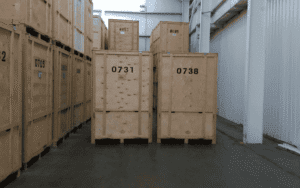
Understand the Risks Before Storing Furniture
Before placing furniture into storage, inspect its material, construction and current condition. Wood may react to moisture and environmental changes, upholstery can absorb odours, leather needs suitable care, and metal components may suffer surface corrosion. Understanding these differences helps you choose appropriate cleaning, wrapping and positioning methods for each item.
Consider the Length of Storage
A few weeks of storage may require less preparation than several months, but good practice still matters. Longer storage periods make ventilation, moisture protection and periodic checks increasingly important. Planning for the expected storage duration helps you decide whether home storage or a dedicated professional facility provides the most appropriate solution.
Step 1: Clean Furniture Before Storage
Cleaning forms the foundation of safe furniture storage. Dust, crumbs, grease and moisture can become more difficult to remove after prolonged storage. Clean furniture also makes it easier to identify existing marks before transportation.
Clean Each Material Appropriately
Use products suitable for the furniture material and follow the manufacturer’s care instructions whenever available. Vacuum sofas, chairs and mattresses thoroughly. Wipe wooden and metal surfaces carefully. Avoid aggressive household chemicals on delicate finishes, leather or specialist materials because unsuitable products can discolour or damage surfaces before the furniture even enters storage.
Allow Furniture to Dry Completely
Never wrap or store damp furniture. Moisture trapped beneath covers can create odours, staining or mould-related problems. Allow cleaned items enough time to dry naturally before packing. Pay particular attention to upholstery, cushions, wood joints and recently cleaned surfaces because these areas can retain moisture longer than they initially appear to.
Photograph Furniture Before Storage
Take clear photographs of valuable or important pieces before packing. Record existing scratches, marks or worn areas. Photographs provide a useful condition record and help you compare furniture when it leaves storage. They can also support better organisation when several similar dismantled items enter storage at the same time.
Step 2: Dismantle Furniture Where Practical
Large pieces often become easier to carry, protect and organise when you dismantle suitable components before storage. However, only take furniture apart when its construction and manufacturer guidance allow safe dismantling.
Remove Suitable Detachable Parts
Table legs, removable shelves, bed frames and other detachable components can reduce overall furniture dimensions. Smaller sections move more easily through doorways and use storage space more efficiently. Dismantling can also reduce pressure on vulnerable joints, provided you follow the correct method and avoid forcing glued or permanently fixed components apart.
Label Screws, Bolts and Fittings
Place screws, bolts, handles and other fittings inside strong labelled bags. Mark each bag with the furniture item and, where useful, its assembly location. Keep all hardware in one organised container or secure it appropriately with the relevant item. Clear labelling prevents frustrating searches when you need to reassemble furniture later.
Avoid Unnecessary Dismantling
Do not dismantle furniture simply to save a small amount of space. Repeated assembly can weaken certain fittings or damage fragile finishes. Antique, specialist or complex furniture may require professional handling. When uncertain, check manufacturer instructions or seek appropriate expert advice rather than experimenting with an unfamiliar construction.
Step 3: Choose Suitable Protective Materials
Protective coverings reduce exposure to dust, scratches and knocks, but the wrong material can create new problems. Match the covering to the furniture type and storage conditions.
Use Furniture Blankets for Hard Surfaces
Furniture blankets and padded covers work well for tables, cabinets, desks and other hard surfaces. They create a buffer against accidental impact during transport and storage. Secure covers carefully without applying excessive pressure to delicate edges, veneers or decorative finishes. Add corner protection where furniture could contact walls or neighbouring items.
Use Breathable Covers for Upholstery
Sofas, armchairs and fabric-covered furniture generally benefit from breathable protection. A suitable cover can reduce dust while still allowing some airflow. Avoid tightly sealing upholstery inside inappropriate plastic for long periods, especially if any moisture remains. Trapped moisture can create odours and potentially damage fabrics or interior padding.
Protect Glass Components Separately
Glass shelves, tabletops and mirrors require careful handling. Wrap each component using suitable protective materials and keep it away from unstable stacks. Do not place heavy items on glass. Clearly identify fragile packages so anyone handling the storage space understands that these components need extra care during movement.
Step 4: Prepare Wooden Furniture Carefully
Wooden furniture needs particular attention because moisture and environmental changes can affect its appearance and stability. Proper preparation helps protect surfaces and joints during storage.
Clean and Condition Wood Correctly
Clean wooden furniture with a product appropriate for its finish. Where the manufacturer recommends it, use a suitable conditioner or treatment before storage. Avoid experimenting with oils, waxes or chemicals on valuable pieces. Incorrect products can leave residue, discolour surfaces or react badly with the existing finish.
Keep Wood Away From Damp Surfaces
Avoid placing wooden furniture directly against potentially damp floors or walls. Use appropriate raised supports where necessary and maintain sensible separation from areas vulnerable to condensation or leaks. Keeping furniture away from direct moisture sources helps reduce swelling, staining and deterioration during longer periods of storage.
Avoid Excessive Weight on Wooden Furniture
Do not use delicate tables, cabinets or drawers as makeshift shelving for heavy boxes. Prolonged pressure can cause bowing, dents or joint damage. Store heavier items independently and distribute weight appropriately. Protect polished surfaces from direct contact with abrasive boxes or metal objects that could create permanent marks.
Step 5: Store Sofas and Upholstered Furniture Safely
Upholstered furniture requires preparation that protects both the visible fabric and the internal cushioning. Dust, moisture and prolonged pressure can affect its appearance and comfort.
Vacuum and Dry Upholstery Thoroughly
Vacuum seams, cushions, undersides and hidden areas before storage. Remove crumbs, dust and pet hair that could create odours over time. If you use any cleaning product, follow the furniture care instructions and allow the entire item to dry completely before covering and moving it into storage.

Avoid Placing Heavy Items on Sofas
Do not stack heavy boxes, tables or appliances on cushions simply to save floor space. Sustained pressure can compress padding, distort cushions and damage frames. Give sofas enough space to remain in their normal orientation whenever practical and keep their surfaces free from unnecessary weight.
Care for Leather Furniture Correctly
Leather requires suitable cleaning and conditioning based on the manufacturer’s guidance. Avoid household products that can dry, stain or discolour the surface. Keep leather furniture away from excessive heat, direct sunlight and damp environments. Appropriate preparation helps reduce cracking, fading and unwanted surface changes during longer-term storage.
Step 6: Organise the Storage Space Properly
Good organisation protects furniture and makes retrieval easier. A storage unit packed without a plan can increase the risk of accidental damage every time you need to access one item.
Place Heavy Items Securely
Position larger, heavier furniture where it remains stable without creating pressure on delicate items. Avoid tall, unstable stacks that could shift when you remove something nearby. Consider weight distribution and leave fragile items where boxes, furniture or equipment cannot fall onto them.
Leave Safe Access Routes
Create a clear walkway through the storage area whenever space allows. Access routes make inspections and retrieval easier and reduce the need to move several items unnecessarily. Place belongings that you may need sooner closer to the entrance so you can reach them without disturbing the entire arrangement.
Avoid Leaning Fragile Furniture Incorrectly
Do not lean delicate mirrors, glass panels or lightweight furniture against walls where pressure or movement could cause damage. Store them according to suitable handling guidance and keep heavy items away. Stable positioning protects both the stored furniture and anyone who later enters the storage space.
Step 7: Protect Furniture From Moisture
Moisture remains one of the most important considerations when learning how to store furniture safely. Water exposure can affect wood, fabrics, cardboard packaging and metal fittings.
Inspect the Storage Environment
Before moving furniture inside, look for leaks, damp patches, condensation or signs of poor ventilation. Check floors and walls carefully. A storage area that already shows moisture problems may not provide suitable protection for valuable furniture, especially over an extended period.
Raise Vulnerable Items Where Appropriate
Where conditions make it appropriate, use suitable pallets, shelving or raised supports to separate furniture from floors that could experience accidental moisture. Ensure any support remains stable and can safely carry the weight. Never improvise with weak or uneven materials that could collapse or damage the furniture.
Consider Professional Storage for Sensitive Items
A dedicated storage facility may offer advantages for valuable, bulky or long-term items compared with a garage, loft or shed. Before booking, ask about security, access, environmental conditions, insurance requirements and handling arrangements. Select a service that matches the material, value and expected storage duration of your furniture.
Common Furniture Storage Mistakes to Avoid
Many furniture storage problems result from simple mistakes rather than unavoidable circumstances. Identifying them early can save time and money.
Storing Furniture While Damp
Wrapping furniture before it dries completely creates unnecessary risk. Moisture can remain trapped beneath coverings and affect wood, upholstery and fittings. Always allow sufficient drying time after cleaning, and never assume a surface feels dry simply because the exterior no longer looks wet.
Using Unsuitable Plastic Covers
Plastic can offer short-term protection in some situations, but tightly sealing certain furniture for extended periods can trap moisture. Consider material type and storage duration before choosing a cover. Breathable options often suit upholstery better, while padded covers can protect hard surfaces from scratches and accidental impact.
Overcrowding the Storage Space
Packing every available centimetre may seem economical, but overcrowding makes access difficult and increases accidental contact between furniture. Leave enough room to inspect and retrieve belongings safely. A well-organised storage arrangement often protects furniture better than an overfilled space where items continuously press against each other.
Forgetting Small Components
Missing bolts, shelves, handles and brackets can make reassembly difficult. Label components immediately when dismantling furniture instead of relying on memory. Photographing the item before and during disassembly can also provide a useful reference when you need to put everything back together.
Practical Tips for Safe Furniture Storage
Following a consistent preparation process helps protect furniture and makes eventual removal from storage easier.
Create a Furniture Storage Checklist
List every major item before collection or loading. Note whether it needs cleaning, dismantling, wrapping or specialist care. Record fragile components and label corresponding fittings. A simple inventory makes planning easier and reduces the chance of overlooking furniture hidden in garages, spare rooms, lofts or outbuildings.
Inspect Stored Furniture Periodically
If your storage arrangement allows access, check furniture occasionally during longer storage periods. Look for signs of moisture, movement, damaged coverings or pressure from neighbouring items. Early inspection can identify small problems before they develop into more serious damage.
Follow Manufacturer Care Instructions
Manufacturer guidance should take priority when furniture requires specialist cleaning, dismantling or storage. Different finishes and materials can react differently to cleaning products and environmental conditions. Following item-specific guidance offers better protection than applying the same storage method to every piece of furniture.
How Long Can Furniture Stay in Storage?
Furniture can remain stored for weeks, months or longer when preparation and environmental conditions suit the material. Storage duration alone does not determine whether an item remains in good condition.
Short-Term Furniture Storage
Short-term storage often supports house moves, renovations or temporary accommodation. Even when furniture stays stored for only a few weeks, clean, dry and protect it properly. Careful positioning also prevents scratches and damage during repeated handling when items enter and leave the storage facility.
Long-Term Furniture Storage
Longer storage requires greater attention to moisture, ventilation, wrapping and access. Sensitive or valuable items may benefit from a more controlled environment. Review stored furniture periodically where possible and discuss any special requirements with your chosen storage provider before committing to an extended storage period.
Why Choose Coxs Movers & Storage Ltd?
Professional moving and storage support can simplify the process when you need to transport bulky furniture or coordinate storage alongside a house move, renovation or temporary relocation.
Practical Removal and Storage Support
Coxs Movers & Storage Ltd can help customers manage furniture transportation and storage requirements according to their individual circumstances. Discuss item sizes, access conditions, storage duration and any fragile belongings before booking so the moving team can understand the practical demands of the job.
Reduced Handling During Complex Moves
Repeatedly loading and unloading furniture increases the opportunity for accidental knocks or scratches. Combining suitable removal and storage arrangements can simplify logistics when circumstances require temporary storage. Clear planning from collection through to final delivery helps reduce unnecessary handling and keeps the process better organised.
Why People Trust Professional Furniture Storage
Customers want confidence that their belongings will receive careful handling and appropriate protection throughout storage and transportation.
Clear Communication Builds Confidence
A professional provider should explain what services it offers, what customers need to prepare and which storage arrangements may suit different circumstances. Straightforward communication helps customers understand responsibilities, protection options and access arrangements before furniture leaves the property.
Careful Planning Supports Safer Handling
Experienced moving teams can assess furniture size, property access and handling requirements before lifting begins. Good preparation reduces rushed decisions, protects vulnerable surfaces and makes loading more organised. Customers should always mention unusually heavy, fragile, valuable or difficult-to-move pieces when requesting a quotation.

Frequently Asked Questions
1. How Should I Prepare Furniture Before Storage?
Clean each item thoroughly and allow it to dry completely. Dismantle suitable furniture where practical and keep screws or fittings in labelled bags. Use padded covers for vulnerable surfaces and breathable protection for appropriate upholstery. Keep furniture away from moisture and follow manufacturer guidance for specialist materials.
2. Should I Wrap Furniture in Plastic for Storage?
Plastic can protect furniture in some situations, but tightly sealing certain items for long periods can trap moisture. Upholstered furniture often benefits from breathable coverings. Whatever material you choose, make sure the furniture is completely dry first and consider the storage environment, furniture material and expected storage duration.
3. Can Wooden Furniture Stay in Storage for a Long Time?
Yes, wooden furniture can remain stored for extended periods when you prepare it correctly and provide suitable conditions. Keep it clean, dry and protected from moisture, extreme environmental changes and excessive weight. Valuable wooden furniture may require specialist guidance or a more controlled professional storage environment.
4. How Should I Store a Sofa Safely?
Vacuum and clean the sofa according to its care instructions and allow it to dry completely. Use a suitable breathable cover, avoid placing heavy objects on the cushions and keep the sofa away from damp surfaces. Maintain enough surrounding space for inspection and safe access during longer storage periods.
5. Is Professional Furniture Storage Safer Than Home Storage?
Professional storage can offer practical advantages when a garage, loft or shed cannot provide appropriate security, space or environmental conditions. However, facilities and services vary. Compare access arrangements, security, protection terms and storage conditions before choosing a provider, particularly for valuable or sensitive furniture.
Final Thoughts on How to Store Furniture Safely
Understanding how to store furniture safely begins with preparation. Clean and dry every item before storage, dismantle appropriate furniture carefully, label all fittings and choose protective materials that suit each surface.
Pay particular attention to wooden furniture, sofas, leather, glass and fragile components because each material has different requirements. Avoid excessive stacking, keep furniture away from moisture and leave enough space to access stored belongings safely.
For longer storage periods, inspect furniture periodically where possible and consider whether your storage environment offers suitable protection. Manufacturer guidance should always inform decisions involving specialist finishes or materials.
Coxs Movers & Storage Ltd can support customers who need practical removal and storage solutions for household furniture. By combining thoughtful preparation, careful handling and an appropriate storage environment, you can reduce avoidable damage and keep furniture ready for its next home.
Call to Action
 Call: Wigan: 01942 834 980
 Website: Coxs Movers & Storage Ltd
 Get a Free Quote Today
Coxs Movers & Storage Ltd — Manchester’s trusted name in removals.
Get Coxs Movers & Storage Ltd.’s Best Services