Moving home often brings many practical questions, especially when you start preparing large bedroom furniture. One common question customers ask is, “Will movers move dressers with clothes in them?” The answer depends on the dresser, the weight of the contents, the access route, and the moving company’s safety policy.
In many cases, professional movers can move a sturdy dresser with light clothes inside. However, they may ask you to remove heavy clothing, valuables, fragile items, or anything that could shift during transport. A dresser becomes harder to lift when drawers contain jeans, shoes, books, hoodies, handbags, or winter clothing. Extra weight can damage the furniture and create safety risks during lifting.
At Coxs Movers & Storage Ltd, our experienced team assesses furniture carefully before moving it. We focus on safe handling, honest advice, clear communication, and practical moving solutions. This guide explains when movers may move dressers with clothes inside, when you should empty them, and how to prepare your furniture properly before moving day.

Will Movers Move Dressers With Clothes in Them? The Simple Answer
Yes, movers may move dressers with clothes in them, but only when the furniture can travel safely. A strong, well-built dresser with lightweight clothing inside may not cause problems. However, movers must consider the full weight, drawer stability, property access, and risk of damage before lifting.
A small bedroom chest with socks, T-shirts, or baby clothes inside may remain partly full. A large solid wood dresser filled with heavy clothing usually needs emptying. Flat-pack furniture, antique dressers, weak drawer runners, and damaged units should also travel empty.
Professional movers do not make this decision to inconvenience customers. They make it to protect your furniture, your home, and the people handling the move.
Lightweight Clothes May Stay Inside
Movers may allow light clothes to stay inside drawers when the dresser feels stable and manageable. Items such as socks, underwear, T-shirts, baby clothes, and soft summer clothing add little weight. These items usually do not shift heavily during transport, so they can sometimes remain packed neatly inside the drawers.
Heavy Items Should Come Out
Heavy clothing and non-clothing items should come out before moving day. Jeans, coats, hoodies, shoes, boots, books, tools, handbags, and bedding can make a dresser unsafe to lift. Extra weight can damage drawer runners, loosen joints, strain the frame, and increase the risk of accidents.
Why Movers Sometimes Ask You to Empty Dressers
Movers often ask customers to empty dressers because safety matters more than convenience. A dresser may look strong in the bedroom, but lifting it downstairs, carrying it through narrow halls, and loading it into a vehicle puts pressure on the frame.
Extra weight affects every stage of the move. Movers need better control when they lift furniture around corners, over thresholds, and through tight spaces. A lighter dresser reduces strain, protects walls and floors, and helps the moving team work more efficiently.
Emptying drawers also protects the furniture itself. Many modern dressers use drawer runners, screws, and panels that can weaken under pressure. During transport, bumps and vibrations can shift weight inside drawers and stress the structure.
Safety Comes First
Professional movers protect people as well as belongings. Heavy furniture increases the risk of back strain, dropped items, scratched flooring, damaged walls, and trapped fingers. Removing unnecessary weight gives movers better control and reduces moving-day hazards. A safe move protects your property and helps the team complete the job smoothly.
Furniture Needs Protection
A dresser can suffer damage when drawers carry too much weight during lifting and transport. Heavy contents pull on drawer runners, stress wooden joints, and shift during vehicle movement. Empty or lightly packed drawers reduce pressure on the frame and help your furniture arrive in better condition.
What Type of Dresser Can Stay Partly Full?
Not every dresser handles a move in the same way. Strong construction, secure drawers, and a manageable size all matter. A solid wooden dresser in good condition usually handles movement better than a weak, flat-pack unit. However, even strong furniture can become risky when overloaded.
Movers usually look at the size, material, age, and condition of the dresser. They also consider the access route. A dresser that feels safe on the ground floor may create problems on a steep staircase. Narrow doorways, tight corners, long carrying distances, and poor parking access can change the decision.
Customers should never assume a dresser can remain full. The best approach involves asking the moving company before moving day and preparing to remove items if the team recommends it.
Solid Wood Dressers
Well-built solid wood dressers often handle moving better than cheaper furniture. If the drawers contain only lightweight clothing, movers may move the unit without fully emptying it. However, solid wood already weighs more than many materials, so heavy contents can quickly make it unsafe.
Small Bedroom Chests
Small three-drawer chests often weigh less than large dressers, so movers may allow light clothing to remain inside. These units usually move more easily through doorways and hallways. Still, weak drawer runners, loose handles, or poor construction can change the decision on moving day.
Children’s Dressers
Children’s dressers often contain lighter clothes, such as baby grows, socks, T-shirts, and soft sleepwear. Movers may move these units partly full if the frame feels stable. Parents should still remove toys, books, keepsakes, liquids, and anything fragile before the moving team arrives.
Which Dressers Should You Empty Completely?
Some furniture should travel empty every time. Antique dressers, vintage units, tall chests, flat-pack furniture, damaged dressers, and wardrobes with drawers can become unstable when movers lift them with contents inside. These pieces need extra care because their structure may not handle added weight.
Flat-pack furniture deserves special attention. Many flat-pack dressers use lightweight boards, cam locks, and small fixings. These parts can loosen during lifting, especially when drawers contain clothes. Tall furniture also creates balance problems because weight inside the upper drawers can make the unit awkward to carry.
If your dresser already has loose handles, cracked panels, sticking drawers, or weak legs, remove everything before moving day. This simple step can prevent serious damage.
Antique and Vintage Dressers
Antique and vintage dressers often carry financial and sentimental value. Age, delicate joints, original drawer runners, and older materials can make them vulnerable during transport. Emptying these pieces reduces stress on the structure and gives movers the best chance to protect them properly.
Flat-Pack Furniture
Flat-pack dressers usually need emptying because their fixings may not tolerate heavy lifting. Extra drawer weight can strain panels, screws, and cam locks. Movers may still move the unit carefully, but they will often recommend removing contents first to reduce the risk of collapse or damage.
Tall or Damaged Dressers
Tall dressers can become unbalanced when drawers contain weight. Damaged furniture creates even greater risk because weak joints, cracked panels, or loose legs may fail during lifting. Emptying the drawers helps movers control the item and prevents avoidable harm to the dresser and surrounding property.
What Items Should Never Stay Inside Dresser Drawers?
Even when movers agree to move a dresser with clothes inside, some items should always come out. Valuables, fragile belongings, liquids, documents, and personal essentials should travel separately. These items can break, spill, go missing, or become difficult to find after the move.
Remove jewellery, cash, passports, legal papers, medication, electronics, perfume, glass items, watches, keys, collectibles, and sentimental items. Keep these belongings with you or pack them in clearly labelled boxes. If the item matters deeply or has high value, do not leave it inside furniture.
Clothes may stay organised inside drawers in some situations, but valuables need extra attention. A moving vehicle carries many items at once, and drawers may shift during transport.
Keep Valuables With You
Carry jewellery, cash, passports, bank cards, medication, legal documents, laptops, and sentimental keepsakes yourself. These items need personal control because they carry high value or urgent importance. Keeping them with you reduces risk and helps you avoid unnecessary stress during the moving process.
Remove Fragile and Liquid Items
Glass bottles, perfume, cosmetics, liquids, ornaments, and delicate objects should not stay inside drawers. Movement during transport can cause breakage or spills. A small leak can damage clothes, wood, and other furniture. Pack fragile and liquid items separately with suitable protection and clear labels.
How to Prepare a Dresser Before Moving Day
Good preparation saves time and reduces risk. Start by asking your removal company about its policy on moving dressers with clothes inside. Then inspect each drawer and remove anything heavy, fragile, valuable, sharp, or liquid.
Check the weight of the dresser by gently testing how difficult it feels to move. Do not lift heavy furniture by yourself, but assess whether the contents make it clearly overloaded. If in doubt, remove more clothing.
Secure drawers before moving day. Movers may use stretch wrap, moving straps, or protective blankets. Avoid putting sticky tape directly on polished wood because it can damage the finish. Remove mirrors, detachable tops, loose handles, and small parts where possible.
Ask Your Movers First
Contact your moving company before moving day and ask whether they allow dressers to travel with clothes inside. Every company sets its own rules based on safety, insurance, equipment, and experience. Early communication avoids delays and helps you prepare the furniture correctly.
Reduce the Weight
Remove heavy clothes and bulky items from the drawers. Keep only light garments inside if your movers approve. A lighter dresser moves more safely through hallways, staircases, and doorways. It also reduces pressure on the furniture and helps the team load the vehicle efficiently.
Secure and Protect the Furniture
Use moving blankets, stretch wrap, or straps to protect the dresser and keep drawers closed. Do not place adhesive tape directly on finished wood. Protective coverings help prevent scratches, dents, and scuffs during loading, transport, and unloading. Movers can advise on the safest method.
Common Mistakes to Avoid
Many customers leave dresser preparation until moving day. This can delay the move and create unnecessary stress. You should never leave heavy objects hidden inside drawers, especially books, shoes, tools, electronics, or valuables. Movers may need to stop and empty the dresser before lifting it.
Another common mistake involves using tape directly on furniture. Tape can leave residue, remove varnish, or damage painted surfaces. Customers also forget to check the back of drawers, where small items often hide.
Do not ignore professional advice. If movers say a dresser feels too heavy or unstable, follow their guidance. They assess furniture based on experience, safety, and the access route.
Avoid Overloading Drawers
Overloaded drawers create problems during lifting and transport. Heavy contents can make furniture unsafe, damage the frame, and slow down the move. Remove anything that adds significant weight. A few minutes of preparation can prevent broken furniture, property damage, and moving-day delays.
Do Not Use Tape on Wood
Tape can damage polished, painted, or varnished furniture. It may leave sticky marks or remove the finish when pulled away. Use stretch wrap, straps, or professional moving materials instead. Ask your movers for advice if you need help securing drawers safely.
Why Choose Coxs Movers & Storage Ltd?
Coxs Movers & Storage Ltd provides professional moving support with careful handling, clear advice, and customer-focused service. We understand that every home contains different furniture, access challenges, and personal priorities. Our team assesses each move properly rather than using a one-size-fits-all approach.
We help with house removals, furniture removals, packing assistance, fragile item handling, local moves, long-distance removals, and secure storage options. Our movers use practical experience, suitable equipment, and protective materials to transport your belongings safely.
When you ask, “Will movers move dressers with clothes in them?”, we give honest guidance based on the furniture in front of us. We consider safety, weight, construction, property access, and your moving goals before recommending the best option.
Professional Advice for Every Move
Our team gives practical advice before and during moving day. We explain what should stay inside drawers, what should come out, and how to protect furniture. This guidance helps customers save time while reducing risk. Clear communication creates a smoother, safer, and more organised move.
Careful Furniture Handling
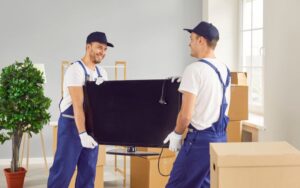
We treat furniture with respect from collection to delivery. Our movers use safe lifting methods, protective covers, and organised loading techniques. Whether you move a small chest, a large dresser, or delicate furniture, we work carefully to protect your belongings and your property.
Final Thoughts
So, will movers move dressers with clothes in them? Yes, sometimes. Movers may transport a dresser with light clothes inside when the furniture feels strong, stable, and safe to lift. However, heavy clothing, valuables, fragile items, liquids, and personal documents should always come out.
The safest approach starts with preparation. Ask your moving company before moving day, remove heavy items, secure drawers properly, and let the movers inspect the dresser before lifting it. This protects your furniture, reduces risk, and helps the move run more efficiently.
Coxs Movers & Storage Ltd supports customers with reliable removals, honest advice, careful handling, and flexible moving solutions. With the right preparation and the right team, you can move your dressers safely and enjoy a more organised relocation.

Frequently Asked Questions
1. Will movers move dressers with clothes in them?
Yes, many movers will move dressers with lightweight clothing inside if the furniture feels sturdy and safe. They may ask you to remove jeans, shoes, books, valuables, liquids, or fragile items. Always check your moving company’s policy before moving day so you can prepare correctly.
2. Should I empty my dresser before movers arrive?
You should remove heavy, valuable, fragile, and personal items before movers arrive. In many cases, you can leave light clothes inside if the dresser remains manageable. Flat-pack, antique, damaged, or very large dressers usually need complete emptying to reduce the risk of damage.
3. Can clothes damage a dresser during a move?
Lightweight clothes rarely damage a dresser. Heavy drawers can strain runners, joints, panels, and frames during lifting and transport. Road movement can also shift contents and create extra pressure. Removing heavy clothing helps protect the furniture and gives movers better control during the move.
4. What items should never stay inside dresser drawers?
Never leave jewellery, cash, passports, medication, legal documents, electronics, perfume, glass items, liquids, sharp objects, or sentimental keepsakes inside dresser drawers. These belongings need separate packing and personal care. Keep high-value or essential items with you during the move whenever possible.
5. Why do movers inspect furniture before lifting it?
Movers inspect furniture to check weight, structure, drawer stability, loose parts, existing damage, and access routes. This quick assessment helps them choose the safest moving method. It also allows them to recommend emptying drawers if the dresser feels too heavy or unstable.
6. Can leaving clothes inside save packing time?
Yes, leaving light clothes inside can save packing and unpacking time when movers approve it. It can also reduce the number of boxes you need. However, safety should come first. If the dresser feels heavy or weak, emptying it protects the furniture and the moving team.
7. Do movers move flat-pack dressers with clothes inside?
Most movers prefer flat-pack dressers empty because these units often use lighter panels and small fixings. Extra weight can loosen joints or damage the structure. If you own flat-pack furniture, remove drawer contents before moving day and ask your movers for the safest handling advice.
Call to Action
 Call: Wigan: 01942 834 980
 Website: Coxs Movers & Storage Ltd
 Get a Free Quote Today
Coxs Movers & Storage Ltd — Manchester’s trusted name in removals.
Get Coxs Movers & Storage Ltd.’s Best Services