Wardrobe Moving Tips: How to Move a Wardrobe Safely
Moving a wardrobe can look simple until you try to lift one through a narrow doorway, around a staircase or into a moving vehicle. Large wardrobes often combine awkward dimensions, considerable weight, delicate fittings and vulnerable surfaces. Some also include mirrors, glass panels, removable shelves and doors that require additional protection.
A poorly planned move can damage the wardrobe, floors, walls, door frames or nearby furniture. It can also place unnecessary strain on the people carrying it.
The safest approach starts with preparation. Empty the wardrobe, check how it was assembled, measure the route and decide whether dismantling will make the move easier.
These practical wardrobe moving tips explain how to prepare, dismantle, protect, carry and transport a wardrobe safely during a house move. They apply to local moves, longer-distance relocations and situations where large furniture needs careful handling.
For especially heavy or difficult wardrobes, Coxs Movers & Storage Ltd can provide professional moving support as part of a wider household removal service.
Why Moving a Wardrobe Requires Care
Wardrobes Are Large, Heavy and Awkward to Balance
Wardrobes often stand tall and carry much of their weight through a relatively narrow base. Their height makes them difficult to turn in hallways and stairwells. Even when two people can lift the wardrobe, maintaining control around tight corners may become difficult without proper planning and communication.
Mirrors, Glass and Decorative Panels Can Break Easily
Some wardrobes include mirrored doors, glass inserts, decorative trim or delicate surface finishes. These features increase the risk of damage during lifting and transport. A small impact against a doorway can crack glass, chip edges or scratch polished surfaces, so movers should protect vulnerable areas before carrying begins.
Loose Parts Can Cause Problems During Movement
Shelves, drawers, hanging rails and doors can move while the wardrobe is being carried. Loose components can alter the weight distribution or fall unexpectedly. Removing detachable items makes the wardrobe lighter, easier to control and safer to transport through narrow spaces.
Wardrobe Moving Tips Before You Start
Empty the Wardrobe Completely
Remove clothes, shoes, storage boxes, bedding and other belongings before trying to move the wardrobe. A full wardrobe becomes significantly heavier and harder to control. Packing contents separately also protects clothing and prevents items inside the unit from shifting or damaging internal shelves during transport.
Check How the Wardrobe Was Constructed
Inspect the wardrobe before dismantling anything. Look at doors, hinges, shelves, panels, fittings and connection points. Some wardrobes separate easily into sections, while others rely on specific fasteners or construction methods. Understanding the structure helps you avoid damaging joints or removing parts unnecessarily.
Measure the Wardrobe and the Full Route
Measure the wardrobe’s height, width and depth, then compare those dimensions with doorways, corridors, stairs, lifts and vehicle access. Remember that turning space matters as much as doorway width. A wardrobe may fit through an opening but still fail to turn safely around the next corner.
Step 1: Empty and Prepare the Wardrobe
Pack Clothes and Personal Belongings Separately
Place wardrobe contents into suitable boxes, garment bags or other moving containers. Label each container by room or category so you can unpack efficiently later. Removing everything before moving prevents excess weight and makes it easier to inspect the wardrobe for removable shelves, fittings and hidden fixings.
Remove Loose Shelves, Drawers and Rails
Take out removable shelves, drawers and hanging rails where the design allows. These components can slide during lifting and make the wardrobe harder to balance. Wrap delicate parts separately and label them clearly so you can identify their correct position during reassembly.
Photograph the Wardrobe Before Dismantling
Take clear photographs of the wardrobe from several angles. Include hinges, shelf supports, connecting fittings and internal arrangements. These photos can provide a useful reference when rebuilding the wardrobe at the new property, particularly if the furniture includes multiple panels or similar-looking components.
Step 2: Decide Whether to Dismantle the Wardrobe
Move Small Wardrobes in One Piece Only When Safe
A compact and lightweight wardrobe may sometimes move without complete dismantling. However, you should only attempt this when the route provides enough clearance and the furniture remains stable. Remove loose internal components first and check that doors cannot swing open unexpectedly during carrying.
Dismantle Larger Wardrobes to Reduce Weight
Large wardrobes usually become easier to move after partial or full dismantling. Start with removable doors, shelves and drawers. If necessary, separate major panels according to the construction method. Reducing the overall size can make narrow hallways and stairs much easier to navigate.
Follow Manufacturer Instructions Where Available
Flat-pack and modular wardrobes often have specific dismantling and reassembly instructions. Use these instructions whenever possible. Avoid forcing screws, cams or connecting fittings because damaged hardware may prevent proper reassembly. If a fitting does not release easily, inspect the mechanism before applying additional pressure.
Step 3: Organise Screws and Fittings
Keep Small Components in Labelled Bags
Place screws, hinges, shelf supports, handles and other fittings into separate labelled bags. Write the wardrobe section or component name on each bag. This simple organisation prevents important hardware from disappearing into larger boxes and makes reassembly much faster at the new property.
Keep Fittings With the Correct Furniture
Do not combine wardrobe fittings with hardware from beds, tables or other furniture. Different screws may look similar but have different lengths or purposes. Keeping each set separate reduces confusion and helps prevent the wrong fastener from damaging a panel during reassembly.
Step 4: Protect Doors, Mirrors and Panels
Wrap Wooden Panels With Moving Blankets
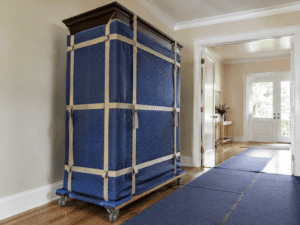
Use suitable furniture blankets or protective material around doors, side panels and other exposed sections. Focus on corners, edges and finished surfaces. Secure the wrapping carefully so it stays in place during movement without placing unnecessary pressure on the furniture.
Give Mirrors and Glass Extra Protection
Mirrored wardrobe doors require careful handling because even a small impact can cause cracking. Protect the surface with appropriate materials and avoid stacking heavy items against it. Keep mirrored panels secure and upright where suitable, and handle them separately from heavier wardrobe components when possible.
Protect Corners and Decorative Edges
Wardrobe corners often suffer damage when furniture passes through narrow doorways. Add extra padding to vulnerable edges, handles and decorative sections. Good protection can reduce chips, scratches and dents when the furniture comes close to walls, stairs or other items.
Step 5: Protect Floors, Walls and Door Frames
Cover Vulnerable Flooring
Heavy furniture can scratch wood, laminate, vinyl and other flooring. Lay suitable protective coverings along the moving route before lifting starts. Make sure coverings stay secure underfoot so they do not introduce a slipping hazard while movers carry a heavy wardrobe.
Clear the Route Completely
Remove rugs, boxes, ornaments, side tables and other obstacles before carrying the wardrobe. Open doors fully and create as much working space as possible. A clear route allows the carrying team to concentrate on balance and communication instead of trying to avoid unexpected obstacles.
Never Drag a Heavy Wardrobe Across the Floor
Dragging may appear easier than lifting, but it can damage both flooring and furniture. The wardrobe base can catch on uneven surfaces or place excessive stress on joints. Use appropriate lifting techniques and moving equipment rather than pushing heavy furniture directly across delicate floors.
Step 6: Plan the Lifting Route
Walk the Route Before Moving Anything
Inspect the entire journey from the wardrobe’s current position to the vehicle. Look for stairs, sharp corners, low ceilings, narrow landings, uneven outdoor paths and restricted access. Planning the route allows everyone involved to understand where they may need to turn, stop or change position.
Check Exterior Access and Vehicle Position
Do not focus only on the interior of the property. Examine garden paths, steps, gates, driveways and vehicle loading areas. Where possible, position the removal vehicle close to the property to reduce the distance that movers need to carry large furniture outdoors.
Step 7: Lift and Carry the Wardrobe Safely
Use Enough People for the Weight Involved
Two capable adults may handle some wardrobes, but larger units can require additional people or professional moving equipment. Never judge the required team size based only on appearance. If the wardrobe feels unstable or difficult to control, stop and choose a safer approach.
Communicate Clearly Throughout the Lift
Everyone carrying the wardrobe should know when to lift, stop, lower and turn. One person should coordinate movement where possible. Clear communication prevents sudden direction changes and helps the team maintain control while navigating doorways, stairs and tight corners.
Move Slowly Around Corners and Stairs
Do not rush simply to finish the job faster. Large furniture can become unstable during turns, particularly when one person needs to walk backwards. Slow movements give the team more time to adjust grip, balance and positioning before continuing.
Step 8: Use Suitable Moving Equipment
Consider Furniture Dollies and Moving Straps
Depending on the property and wardrobe type, movers may use dollies, straps, protective blankets and other handling equipment. Suitable tools can reduce physical strain and improve control. Always choose equipment that can safely support the wardrobe’s weight and dimensions.
Avoid Improvised Moving Tools
Weak trolleys, unstable boards or unsuitable straps can make a difficult move more dangerous. If the wardrobe requires specialist handling, use appropriate professional equipment. Saving a small amount of preparation time is not worthwhile if it increases the risk of property damage or injury.
Step 9: Load the Wardrobe Correctly for Transport
Keep Fragile Panels Separate From Heavy Furniture
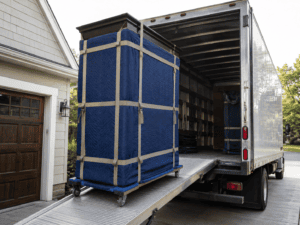
Load wrapped doors, mirrors and glass sections carefully. Do not place heavy boxes or furniture against vulnerable panels. Plan the vehicle arrangement so items remain stable and protected throughout braking, turning and normal road movement.
Secure Larger Components Inside the Vehicle
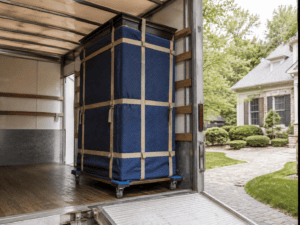
Use suitable restraints where required to prevent wardrobe panels and larger sections from shifting during transportation. Unsecured furniture can slide or fall against other belongings. A well-organised load protects the wardrobe and reduces the risk of damaging other household items.
Keep Reassembly Parts Accessible
Place labelled screws, fittings and important hardware somewhere easy to locate. Do not bury them under large boxes. Keeping these small items accessible allows you to rebuild the wardrobe without searching through the entire vehicle or dozens of moving cartons.
Step 10: Reassemble the Wardrobe Carefully
Check the Destination Space First
Before rebuilding, confirm that the wardrobe fits comfortably in its planned position. Consider doors, windows, power sockets and surrounding furniture. Reassembling the unit in the wrong place can create another difficult moving task inside the new property.
Use Your Photos and Labels
Refer to the photographs taken before dismantling and match labelled panels with the correct hardware. Tighten fittings carefully and check that doors, shelves and drawers align correctly. Do not force components into position if something appears incorrectly assembled.
Practical Wardrobe Moving Tips
Follow These Useful Moving Steps
For a smoother wardrobe move, follow these simple tips:
- Empty every compartment before lifting.
- Remove drawers, shelves and rails.
- Photograph the wardrobe before dismantling.
- Label every screw and fitting.
- Measure doorways and staircases.
- Check turning space around corners.
- Protect mirrors and glass separately.
- Add padding to vulnerable corners.
- Protect floors and door frames.
- Keep the entire route clear.
- Use enough people for the weight.
- Communicate throughout the lift.
- Secure furniture during transport.
- Keep fittings easy to access.
- Reassemble only after confirming the final position.
Careful preparation can prevent expensive damage and unnecessary delays.
Common Wardrobe Moving Mistakes to Avoid
Moving the Wardrobe While It Is Full
Leaving clothes and other belongings inside adds unnecessary weight and can make the wardrobe unstable. Loose contents may also damage shelves or doors. Always empty the wardrobe before lifting, even if the new property is only a short distance away.
Forgetting to Measure Turning Space
Many people measure doorways but overlook corners and landings. A wardrobe may fit through a door yet remain impossible to rotate in a narrow hallway. Check the whole route, not just individual openings, before deciding whether dismantling is necessary.
Mixing All Hardware Together
Combining screws and fittings from several furniture items can make reassembly unnecessarily difficult. Use labelled bags and keep each wardrobe’s hardware separate. This small organisational step can save significant time when rebuilding furniture after the move.
Using Too Little Protection
A thin covering may prevent light scratches but may not protect mirrors, decorative corners or polished surfaces from impacts. Choose protection according to the furniture material and vulnerability. Fragile panels deserve more attention than standard solid sections.
When Should You Hire Professional Movers?
Choose Professional Help for Large Wardrobes
Professional assistance makes sense when a wardrobe is unusually tall, wide or heavy. Movers can assess the route, decide whether dismantling is necessary and use suitable equipment. Their experience becomes particularly valuable when the furniture must pass through restricted spaces.
Consider Professional Help for Stairs and Difficult Access
Stairs significantly increase the difficulty of moving bulky furniture. Narrow landings, sharp turns and uneven steps can make it difficult to maintain balance. If the wardrobe becomes hard to control, professional handling provides a safer alternative to risky DIY lifting.
Valuable or Fragile Wardrobes Deserve Extra Care
Antique wardrobes, mirrored units, high-value furniture and items with sentimental importance may justify professional support even when access appears straightforward. The potential cost of damage can outweigh the savings of attempting an inexperienced move.
Why Choose Coxs Movers & Storage Ltd?
Practical Support for Bulky Furniture Moves
Coxs Movers & Storage Ltd can help customers manage the physical challenges of moving large furniture. The team can consider access, furniture size and wider moving requirements when planning household relocations.
Careful Handling and Organised Planning
Every property creates different moving conditions. Narrow hallways, stairs, parking restrictions and delicate furniture can all influence the plan. Good organisation helps reduce uncertainty and allows the move to progress in a controlled way.
Support as Part of a Wider House Move
Wardrobes rarely move alone. Customers may also need to transport beds, sofas, tables, boxes and other belongings. Coordinating large furniture within a complete removal plan can make moving day more efficient and easier to manage.
Why People Trust Us
Clear Communication Before Moving Day
Customers need to understand what will happen, what preparation they should complete and what access information movers require. Clear communication before the move helps everyone prepare properly and reduces last-minute surprises.
Respect for Furniture and Property
Large furniture can easily damage walls, floors and door frames when handled carelessly. A professional moving approach focuses on controlled handling, suitable protection and practical planning so customers can move valuable belongings with greater confidence.
Frequently Asked Questions
1. Can I Move a Wardrobe Without Dismantling It?
You can sometimes move a small, lightweight wardrobe in one piece if the route provides enough space. Remove loose shelves and drawers first. For large wardrobes, dismantling often makes the move safer. Measure doors, corridors, corners and stairs before deciding whether to move the unit intact.
2. How Do I Protect a Wardrobe When Moving House?
Empty the wardrobe completely and remove detachable parts. Wrap wooden panels with suitable blankets and add protection to corners and edges. Give mirrors and glass extra care. Label screws and fittings, keep fragile components separate and secure everything properly inside the moving vehicle.
3. Should I Remove Wardrobe Doors Before Moving?
Removing doors can reduce weight and width, making the wardrobe easier to carry through narrow spaces. It also protects hinges from excessive strain. Remove doors carefully, label hardware and protect mirrored or glass doors separately before transportation.
4. How Many People Are Needed to Move a Wardrobe?
The required number depends on the wardrobe’s size, weight, construction and moving route. Two adults may manage a smaller unit, while large wardrobes may need extra help or specialist equipment. If the furniture feels unstable or difficult to control, choose professional assistance.
5. What Are the Best Wardrobe Moving Tips for Stairs?
Remove as much weight as possible, measure the staircase and clear the entire route. Protect vulnerable surfaces, communicate clearly and move slowly. Pay particular attention to turns and landings. If the wardrobe cannot move safely through the available space, dismantle it further or use professional movers.
Final Thoughts
The most useful wardrobe moving tips all begin with preparation. Empty the furniture, inspect its construction, remove loose components and measure the entire route before anyone starts lifting.
Large wardrobes can become difficult to control because of their height, weight and awkward dimensions. Mirrors, glass panels and decorative finishes add further risk, so suitable protection matters throughout the move.
Dismantling the wardrobe can often reduce weight and make narrow doorways, stairs and corners easier to navigate. Keeping screws and fittings organised also makes reassembly much simpler at the destination.
Never rush a heavy furniture move or rely on force when the wardrobe does not fit through the planned route. Stop, reassess the situation and choose a safer approach.
For customers who prefer professional support, Coxs Movers & Storage Ltd can assist with bulky furniture and wider household relocations. With careful preparation, secure transportation and organised handling, you can move a wardrobe safely while reducing the risk of damage to both the furniture and your property.
Call to Action
 Call: Wigan: 01942 834 980
 Website: Coxs Movers & Storage Ltd
 Get a Free Quote Today
Coxs Movers & Storage Ltd — Manchester’s trusted name in removals.
Get Coxs Movers & Storage Ltd.’s Best Services